


In the fields of infrastructure engineering, mining, and municipal construction, second-hand construction machinery has become the first choice for many small and medium-sized construction teams and individual operators due to its high cost-effectiveness and short payback period. However, after the initial use of second-hand equipment, each component has varying degrees of wear and tear. If the operation is not standardized and the maintenance is not in place, it is prone to frequent failures, early major repairs, and even safety accidents. Many practitioners, after purchasing second-hand equipment, adopt extensive operating habits and neglect the break in period and daily inspections, resulting in a significant reduction in equipment lifespan. This article combines industry practical experience to explain the correct use of second-hand construction machinery from the aspects of pre use inspection, standardized operation, daily maintenance, safe operation, and fault response.
1、 Equipment entry: comprehensive inspection and running in debugging
After the second-hand construction machinery enters the site, it should not be directly put into high-intensity operation. A comprehensive inspection and running in debugging must be completed first. Firstly, inspect the appearance of the entire machine, check for any obvious deformation, cracks, welding repair marks on the frame, boom, bucket, tracks, or tires, and investigate for any structural damage.
Next, check the status of all fluids, including engine oil, hydraulic oil, coolant, transmission oil, and brake fluid, to confirm that the oil level is within the normal range, the oil quality is free of emulsification, impurities, and obvious odors. Used equipment hydraulic oil is a key inspection object. If the oil turns black and contains impurities, it indicates severe wear of the hydraulic system. The hydraulic oil and filter element should be replaced in a timely manner to avoid further wear of the hydraulic pump, control valve, and cylinder by impurities.
In terms of electrical system, check the battery level, whether there is looseness or oxidation in the line connectors, and whether all instruments, lights, speakers, and wipers are normal. After completing the static inspection, start the engine and run it at idle speed. Monitor for any abnormal noise or vibration, observe the exhaust color, and confirm that all pressure gauge readings are normal. The initial use of the equipment should be arranged for low load running in to avoid full load operation as soon as it enters the site, allowing the moving parts to readjust to the fit clearance.
2、 Master the core operation points by device type
Different types of second-hand construction machinery have different operating focuses, and it is necessary to standardize operations based on equipment characteristics.
Excavator: Confirm that there are no personnel or obstacles around before operation, and no one is allowed to stand within the rotation radius. When excavating, gently press the boom and cooperate with the bucket to avoid engine stalling and hydraulic system overload caused by excessive excavation volume in a single excavation. The hydraulic system of second-hand excavators generally has internal leakage, and the operation should be gentle to avoid frequent and forceful pulling of the operating lever causing impact. When walking, try to avoid long-distance walking to prevent overheating and wear of the walking motor. Keep the bucket facing forward when going up and down hills, and strictly prohibit high-speed turning that may damage the tracks.
Loader: When shoveling and loading materials, it should approach the material pile at low speed, and the boom should be inserted in conjunction with the bucket to avoid damaging the frame and gearbox with violent impacts. When lifting and unloading, pay attention to whether there are wires or obstacles above, and the unloading height should match the carriage to avoid high-altitude material smashing. The gearbox of a second-hand loader has significant wear and tear. When shifting gears, the vehicle should be completely stopped before shifting gears. Forcefully shifting gears while driving is strictly prohibited to prevent gear damage to the transmission system.
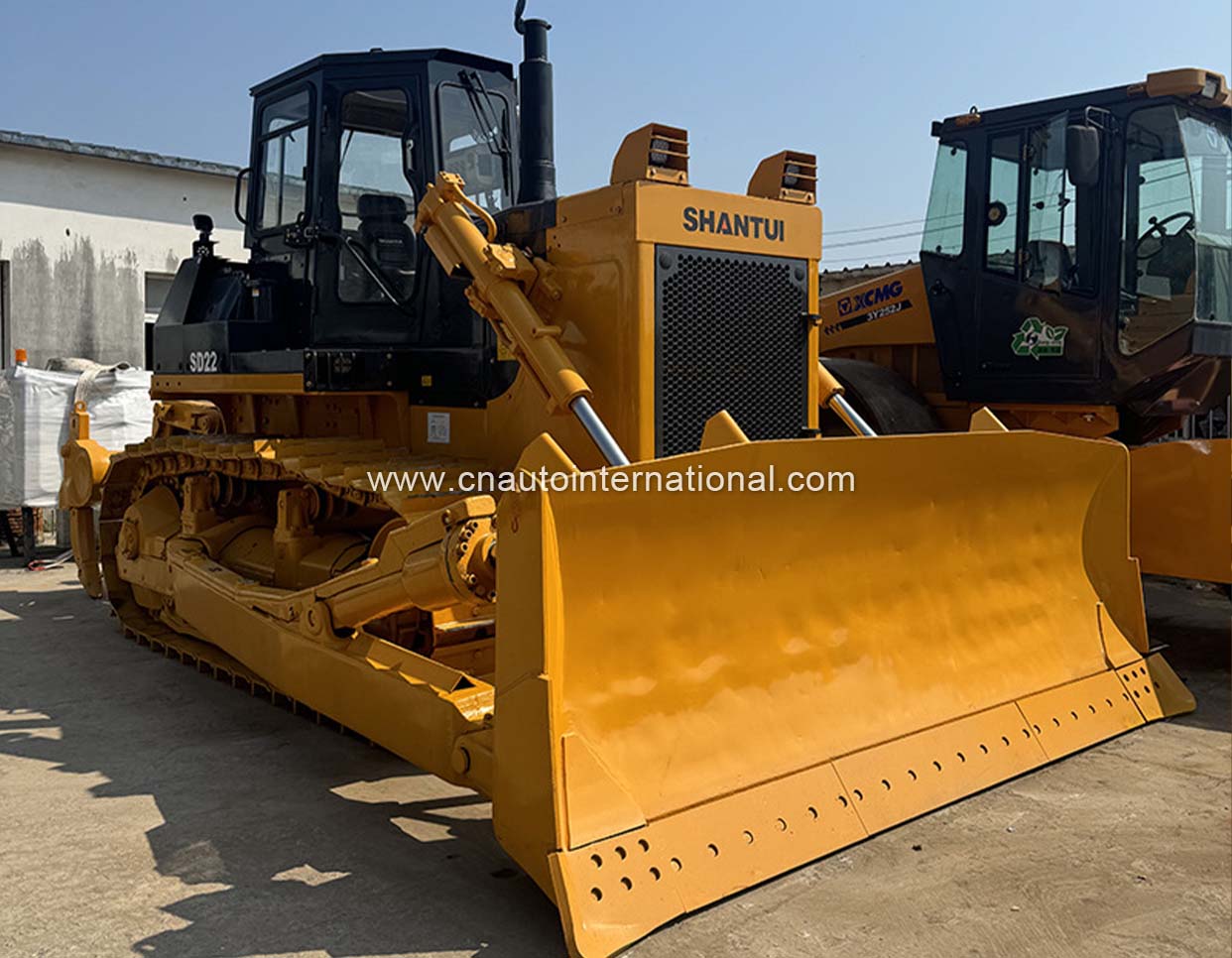
Bulldozer: The appropriate gear and blade angle should be selected according to the soil quality for bulldozing operations. For hard soil operations, the soil should be loosened first and then leveled to avoid overloading and forced pushing. When turning, cooperate with deceleration to avoid damaging the steering clutch during high-speed sharp turns. The tension of the tracks of second-hand bulldozers needs to be checked regularly. If they are too loose, they are prone to derailment, and if they are too tight, they accelerate the wear of the moving parts.
3、 Daily maintenance: the key to extending the lifespan of second-hand equipment
The maintenance frequency of second-hand construction machinery should be higher than that of new equipment, and a strict daily maintenance plan should be formulated. Before daily homework, check the oil, filter element, track or tire, and all connecting pin bolts. If any looseness is found, tighten them in a timely manner. Clean up the soil and oil stains on the machine body after daily homework, check for any leakage points, and record the daily operating hours and abnormal situations.
Regularly replace the engine oil, oil filter, diesel filter, air filter, and hydraulic oil filter according to the number of hours of use. The second-hand equipment engine has significant wear and tear. It is recommended to shorten the oil change cycle appropriately and use high-quality lubricating oil that meets the specifications. Hydraulic oil should be replaced every 1000 to 2000 hours. During the oil change, the oil tank should be cleaned, and the return oil filter and pilot filter should be replaced to avoid old oil contaminating new oil.
Regularly add lubricating grease, with a focus on friction points such as the boom pin shaft, bucket pin shaft, slewing support, and walking mechanism. Lack of oil can lead to dry wear and increased clearance of the pin shaft. Regularly check the electrolyte of the battery, apply Vaseline to the terminals to prevent oxidation, and charge them once a month when parked for a long time to prevent damage caused by battery depletion.
4、 Safety operation standards: Eliminate illegal operations
The safety performance of second-hand construction machinery may decrease, and it is even more necessary to strictly comply with safety operation regulations. Confirm the geological conditions of the work area before starting the assignment. Steel plates should be laid on soft ground to prevent equipment from sinking and overturning. Maintain a safe distance during slope operations and strictly prohibit walking horizontally at the edge of the slope to prevent collapse.
Operators must hold valid certificates and are strictly prohibited from working under the influence of alcohol or fatigue. During work, they must concentrate and not answer or make phone calls. Sound the horn to warn before rotating or moving the equipment, and confirm that surrounding personnel have evacuated to a safe area. Ensure sufficient lighting and clear and visible reflective signs for night work.
When parking the equipment, choose a flat and solid ground, place the bucket or working device on the ground, pull the handbrake, turn off the engine and cut off the power. When parking on a slope, place a stop block under the track or tire. For long-term parking, the equipment should be parked in a sheltered and ventilated area, and started and operated once a month to prevent rusting of the hydraulic system and battery depletion.
5、 Fault identification and timely response
The probability of second-hand equipment failure is higher than that of new equipment, and operators need to have basic fault recognition abilities. If there are abnormal noises from the engine, sudden drops in hydraulic system pressure, walking deviation, brake failure, high oil temperature, etc. during homework, the machine should be stopped immediately for inspection. It is strictly prohibited to work with problems to avoid minor faults from causing major repairs.
Common faults such as high hydraulic oil temperature are often caused by radiator blockage, insufficient hydraulic oil, or severe internal leakage. The radiator should be cleaned and the oil level checked first. If the high temperature persists, the hydraulic pump and valve group should be checked. The engine emits black smoke and lacks power, which may be due to air filter blockage or fuel injector failure. It should be checked and replaced in a timely manner. After a malfunction occurs, it should be repaired by professional maintenance personnel without blindly disassembling precision components. After repair, it should be tested and confirmed to be normal before being put into operation.
Conclusion
The core of using second-hand construction machinery lies in inspection before entering the site, standardized operation, diligent maintenance, and safety without slackening. Compared to new devices, second-hand equipment requires more refined management and rational use. Proper daily inspections and regular maintenance to prevent unauthorized operations can not only reduce downtime and repair costs, but also effectively extend the service life of equipment, allowing second-hand equipment to continue creating economic benefits and helping construction teams achieve cost reduction and efficiency improvement.
