


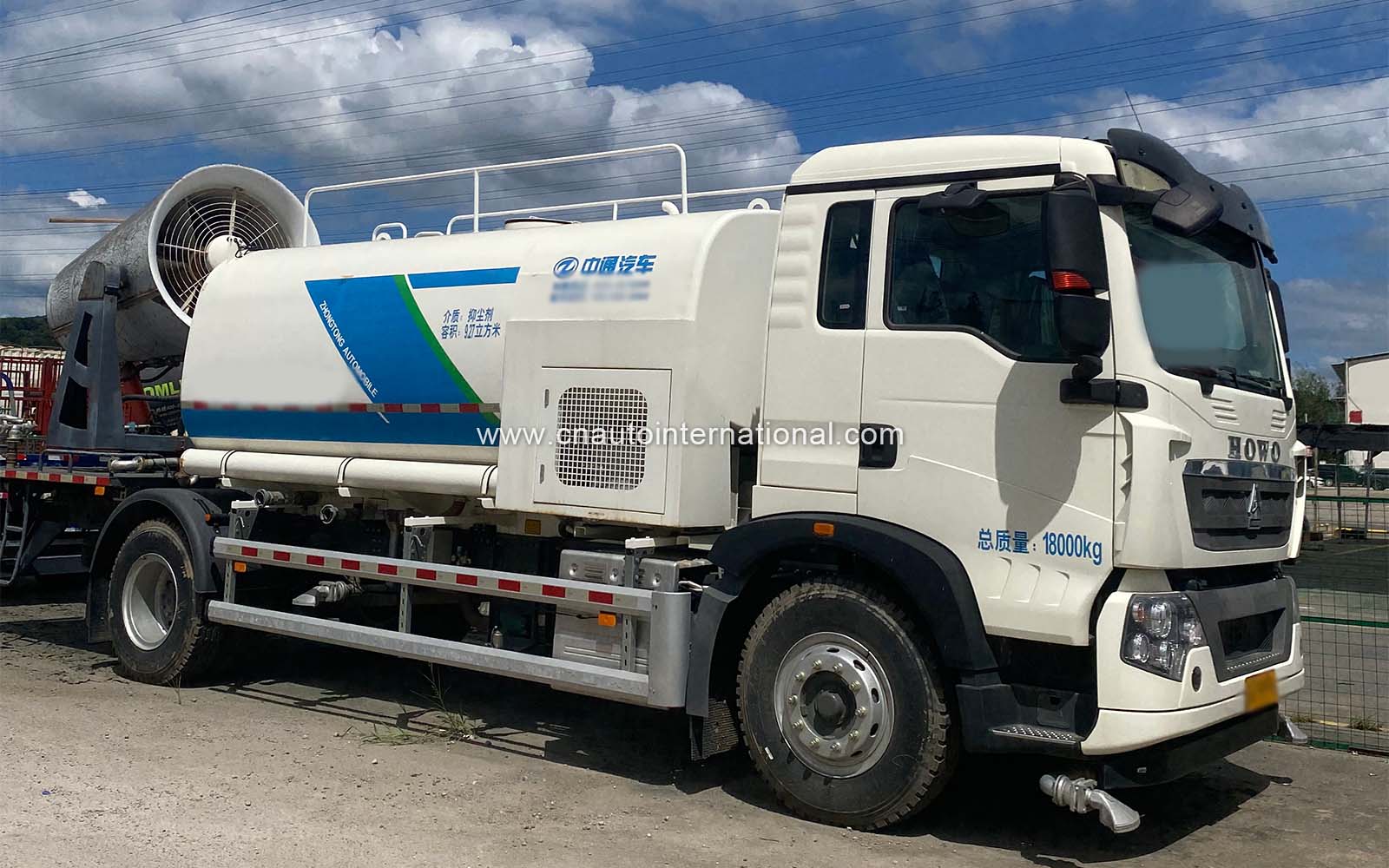
Special vehicles include sanitation trucks, aerial work vehicles, pump trucks, truck mounted cranes, oil tankers and other specialized vehicles, which are widely used in municipal operation and maintenance, engineering construction, emergency support and other fields. Compared to ordinary trucks, second-hand special vehicles have a more complex structure and are equipped with exclusive fittings, hydraulic systems, and electronic control equipment. After early use, there may be some wear and tear on components and aging seals. Many users, after purchasing second-hand special vehicles, continue to follow the extensive operating habits of ordinary vehicles and ignore the usage norms of specialized equipment, which easily leads to problems such as installation failures, hydraulic leaks, and operational failures, significantly increasing maintenance costs and shortening equipment service life. This article combines industry practical experience to comprehensively explain the correct use, operating standards, and maintenance skills of second-hand special vehicles.
1、 Conduct a comprehensive inspection before using the vehicle to identify hidden hazards in second-hand equipment
The condition of second-hand special vehicles varies greatly, and a comprehensive inspection before entering the site is the first line of defense to avoid faults. Unlike regular inspections of new vehicles, it is necessary to focus on specialized installations and core functional components. Firstly, complete the basic vehicle condition inspection to check the operating status of the engine, transmission, and braking system. Check the oil, coolant, and hydraulic oil levels and quality to prevent oil and water leakage and deterioration.
Secondly, targeted testing of special functional components is required, and the lifting, flipping, and compression mechanisms of the sanitation vehicle need to be inspected; Key testing of lifting, telescopic, and limit protection devices for aerial work vehicles; The hydraulic pressure, pipeline sealing, and operational sensitivity of the crane and pump truck need to be checked. At the same time, check whether the vehicle's wiring, electronic control system, and alarm device are normal, and investigate hidden problems such as aging wiring and sensor failure. After confirming that there are no abnormalities, conduct a no-load trial run for 3-5 minutes and observe whether there are any malfunctions such as abnormal noise, lagging, or pressure relief during equipment operation before officially putting it into operation.
2、 Standardize homework operations and prevent violent overdraft of equipment lifespan
The core losses of second-hand special vehicles are mainly caused by non-standard operations, with low fault tolerance of old components, and overloading and violent operations are strictly prohibited. All special operations must strictly comply with the rated parameters of the equipment, and overloading, over height, and over pressure operations are prohibited. For example, high-altitude work vehicles are strictly prohibited from carrying more than their designated capacity, and hydraulic special vehicles are prohibited from forcibly pressurizing operations to avoid damage to hydraulic pumps, oil cylinders, and seals caused by overloading.
Maintain a smooth operation during the homework process, and eliminate operations such as sudden stops, sudden turns, and sudden rises and falls. The clearance of the hydraulic system of second-hand equipment is too large and the response is slow. Rough operation can easily cause valve body jamming, pipeline bursting, and structural deformation. At the same time, adjust the work rhythm reasonably according to the working conditions, avoid long-term continuous operation, reserve equipment heat dissipation and pressure relief buffer time, and prevent high temperature overload from causing faults. In municipal environmental sanitation, engineering construction and other scenarios, it is necessary to adapt to the site road conditions, avoid vehicle scratches and chassis collisions, and protect the vehicle structure and installed equipment.
3、 Adapt to scene conditions and match operation modes as needed
Second hand special vehicles with different vehicle conditions have greatly different operating scenarios, and matching working conditions as needed is the key to reducing failure rates. A second-hand special vehicle with excellent condition, low operating hours, and no major repair records, which can adapt to conventional high-intensity continuous operations and meet the needs of daily engineering and municipal batch construction.
For second-hand equipment that is older, has slight wear and tear, and has undergone major repairs, priority should be given to lightweight and short-term operations, avoiding heavy loads, high-intensity, complex and harsh working conditions, and not used for long-term overnight operations or extreme working conditions construction. At the same time, the exclusive use of vehicle models should be distinguished, and cross functional illegal use is strictly prohibited. For example, ordinary sanitation vehicles should not be used for heavy-duty soil transportation, and conventional high-altitude vehicles should not be used for heavy lifting operations to avoid irreversible damage to equipment caused by functional misalignment and maximize the remaining service life of the adapted vehicles.
4、 Refined daily maintenance and targeted repair of second-hand wear and tear
The priority of maintenance for second-hand special vehicles is much higher than that of new vehicles, and targeted compensation for early wear and tear defects is needed to develop refined maintenance plans. In terms of routine maintenance, appropriately shorten the replacement cycle of engine oil, filter element, and hydraulic oil, regularly clean impurities in the oil and water circuits, ensure the clean operation of the power and hydraulic systems, and reduce component wear.
Key maintenance of specialized upper components, regularly adding lubricating grease to hinge pins, sliding tracks, and hydraulic moving parts to prevent dry grinding and jamming; Regularly inspect hydraulic pipelines and sealing gaskets, replace aging and damaged parts in a timely manner, and eliminate leakage problems; Calibrate limit devices and sensing sensors to ensure safe and accurate operation. After the homework is completed, promptly clean the vehicle body, remove any remaining debris and oil stains, keep the equipment clean, and avoid the accumulation of impurities and corrosion of parts. When parked for a long time, retrieve all operating equipment, turn off the power and let it stand, and take measures to prevent dust and rust.
5、 Strictly abide by safety regulations and avoid operational risks
The safety performance of second-hand special vehicles has declined, and the operation process must strictly adhere to safety operating standards. Operators must hold a certificate and be familiar with the vehicle's exclusive operating procedures and emergency response methods. It is strictly prohibited to operate without a certificate or violate regulations. During high-altitude, lifting, and hydraulic operations, clear the work area in advance, set up safety warnings, and prohibit personnel from approaching the work radius.
Always pay attention to the operation status of the equipment during homework. In case of abnormal noises, pressure relief, alarms, or lagging actions, immediately stop the machine and cut off the power for troubleshooting. It is strictly prohibited to work with problems or force operations. Regularly inspect safety protection devices to ensure the integrity and effectiveness of emergency braking, limit protection, and alarm systems, in order to avoid operational safety accidents from the source.
Summary
The core logic of efficient and long-term use of second-hand special vehicles is: early detection, standardized operation, working condition adaptation, fine maintenance, and safe operation. Abandoning the extensive use habits of new cars and refining operations based on the wear and tear characteristics of second-hand equipment can effectively reduce downtime and maintenance costs, while fully leveraging the high cost-effectiveness advantages of second-hand special vehicles, extending the service life of equipment, and helping construction and municipal fleets achieve cost reduction and efficiency improvement.
