


Oil tanker trucks are specialized transport vehicles for dangerous goods, widely used for the transportation of finished oil products such as diesel, gasoline, kerosene, etc. Compared to ordinary freight vehicles, second-hand oil tank trucks have higher purchase thresholds, stricter safety standards, and stronger compliance requirements. Many fleets only focus on price and appearance when purchasing second-hand oil tankers, ignoring tank qualifications, explosion-proof configurations, annual inspection status, and medium compatibility, which can easily lead to problems such as failure to register, failure to pass annual inspections, operational penalties, and safety hazards. At the same time, the tanks, pipelines, and safety valves of second-hand oil tankers are prone to natural aging, and improper use can easily lead to risks such as leakage, static electricity, and fire. This article provides a detailed explanation of the selection and use of second-hand oil tankers from five aspects: purchasing techniques, vehicle condition identification, compliance verification, standardized operation, and daily maintenance.
1、 Accurate on-demand selection, matching transportation media and working conditions
The first step in selecting a second-hand oil tanker is not to check the condition of the vehicle, but to confirm its usage requirements. Different oil media have completely different requirements for tank material, sealing structure, and explosion-proof configuration, and cannot be used interchangeably. Gasoline is highly volatile and flammable, requiring the use of specialized tanks with higher explosion-proof levels and oil and gas recovery devices; Diesel is relatively stable and suitable for conventional carbon steel anti-corrosion tanks.
At the same time, according to the transportation scenario, the tonnage specification is selected. Short distance delivery in urban areas and refueling at gas stations are suitable for 5-10 ton small oil tankers; Batch fuel supply for intercity trunk lines, mining areas, and construction sites is suitable for 15-30 ton large oil tanker trucks. In addition, it is necessary to choose the wheelbase and chassis configuration based on road conditions. For mountainous and rural bumpy roads, priority should be given to vehicles with solid chassis and stable suspension to avoid problems such as body shaking and uneven stress on tanks during heavy transportation. Matching working conditions from the source can reduce operational risks in the later stage.
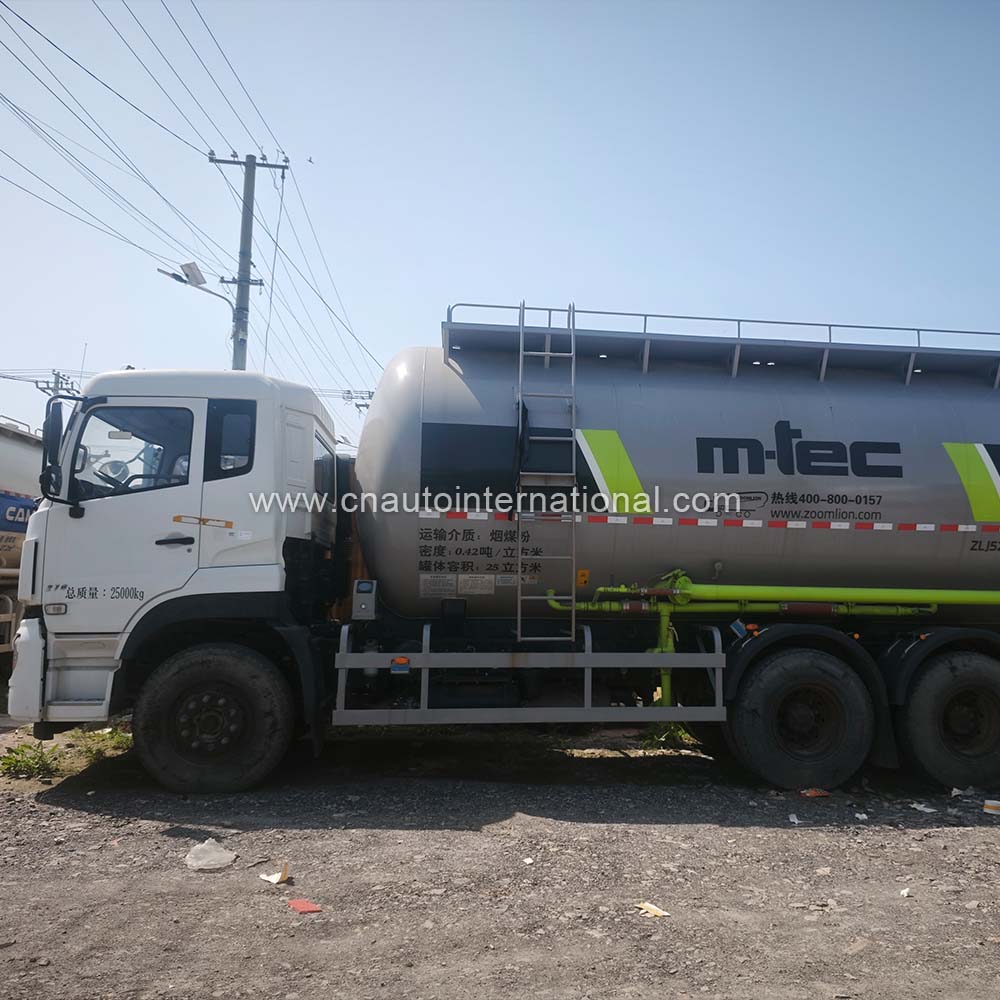
2、 Focus on verifying compliance qualifications and eliminating hidden dangers in license plate operation
Compliance is the core bottom line for purchasing second-hand oil tankers, and it is also the biggest key point that distinguishes it from ordinary second-hand cars. Oil tankers belong to dangerous goods transport vehicles, and announcements, certificates of conformity, and tank inspection reports are indispensable. Before purchasing a car, it is necessary to strictly check whether the vehicle license, vehicle announcement, tank capacity, and rated load capacity are consistent, and to prevent illegal vehicles from changing tanks, expanding capacity, or modifying without authorization. Such vehicles cannot undergo annual inspections, cannot be driven on the road, and cannot obtain dangerous goods operation certificates.
Secondly, check the annual inspection records, anti-static testing reports, and safety valve calibration records of the tank body. Second hand oil tank trucks must be within their validity period, and vehicles that have not been inspected or removed from inspection after expiration must not be purchased. At the same time, it is confirmed that the vehicle is fully equipped with explosion-proof devices, including subsea valves, emergency shut-off valves, electrostatic grounding belts, fire extinguishers, anti overflow probes, and oil and gas recovery systems. All safety devices are indispensable, which is the foundation for ensuring the safety of dangerous goods transportation and the mandatory standard for road inspections.
3、 Carefully identify the condition of the vehicle, investigate hidden faults and damages
The identification of the condition of second-hand oil tanker trucks is divided into two parts: chassis condition and tank condition. In terms of chassis, the focus is on inspecting the engine, gearbox, braking system, ABS explosion-proof system, and test driving to observe whether the vehicle starts, brakes, and travels smoothly, whether there are problems such as insufficient power, deviation, and weak brakes. The braking performance of dangerous goods vehicles directly determines transportation safety. At the same time, check for rust, deformation, and welding repair marks on the chassis to prevent accidents and major repairs.
Tank inspection is of utmost importance and also the most easily overlooked aspect. Carefully inspect the exterior of the tank for bulges, deformations, rust, and cracked welds, as well as any signs of leakage at the pipeline interface; Open the manhole cover to check if the anti-corrosion coating inside the tank is intact, and if there are any large areas of peeling, rust, or water accumulation. The focus is on investigating whether there is a history of tank collision, oil leakage, corrosion repair, and the pressure bearing capacity of refurbished and repaired tanks has significantly decreased, making them highly susceptible to safety accidents during heavy-duty transportation. At the same time, check whether the oil pump, flow meter, and valve switches are sensitive to prevent aging and failure of accessories in vehicle models.
4、 Standardize the use and operation, strictly adhere to the transportation guidelines for dangerous goods
Used oil tanker parts have natural aging and a much lower fault tolerance than new cars, and must be operated strictly in accordance with regulations. Before loading, the static grounding device must be connected to release static electricity from the vehicle body. It is strictly prohibited to carry static electricity or open flames during operation. When loading oil, strictly follow the rated capacity to prevent overloading and overloading, and prevent oil spillage from causing danger.
During the driving process, maintain a constant speed and avoid sudden acceleration, braking, and turning. The shaking of the fuel in the tank can generate huge inertia, which can easily cause the vehicle to lose control and the tank to be damaged under stress. Slow down when passing through schools, residential areas, and densely populated areas, and strictly comply with the restrictions on dangerous goods. Before unloading, check the grounding device and pipeline sealing again, confirm that there are no errors, and then open the valve to unload the oil. A dedicated person will be on duty throughout the process to prevent unmanned operations. It is strictly prohibited to mix different oil products in daily life to avoid the impact of oil mixing on quality and to prevent safety hazards caused by medium reactions.
5、 Regular special maintenance to extend the service life of vehicles
The maintenance of second-hand oil tank trucks is divided into routine maintenance of the chassis and specialized maintenance of the tank body. The chassis should be replaced with oil, filter elements, and brake fluid according to standard cycles, and tires, brake pads, and suspension systems should be checked regularly to ensure stable driving. The tank body needs to be inspected once a month for pipelines, valves, and sealing gaskets, and aging accessories should be replaced in a timely manner to prevent leakage; Regularly clean the impurities and accumulated water inside the tank to avoid corrosion and perforation inside the tank.
Regularly verify safety valves, emergency shut-off valves, and anti overflow devices to ensure that emergency protection functions are triggered normally; Check daily whether the electrostatic drag belt is well grounded to prevent static electricity accumulation. Vehicles that have been out of service for a long time need to empty the fuel tank, clean the tank body, perform anti-corrosion and rust prevention treatment, park properly, and maximize the service life of second-hand oil tankers.
Summary
Choosing and using second-hand oil tankers always prioritizes safety and compliance. Adhere to the five principles of on-demand selection, strict qualification inspection, vehicle condition screening, standardized operation, and regular maintenance, avoid pitfalls such as modified vehicles, unapproved vehicles, and accident vehicles, strictly comply with hazardous material transportation regulations, which can not only reduce the cost of purchasing cars but also ensure the safe and stable operation of the fleet, maximizing the cost-effectiveness of second-hand oil tank trucks.
